Useless Machines: Stay hydrated
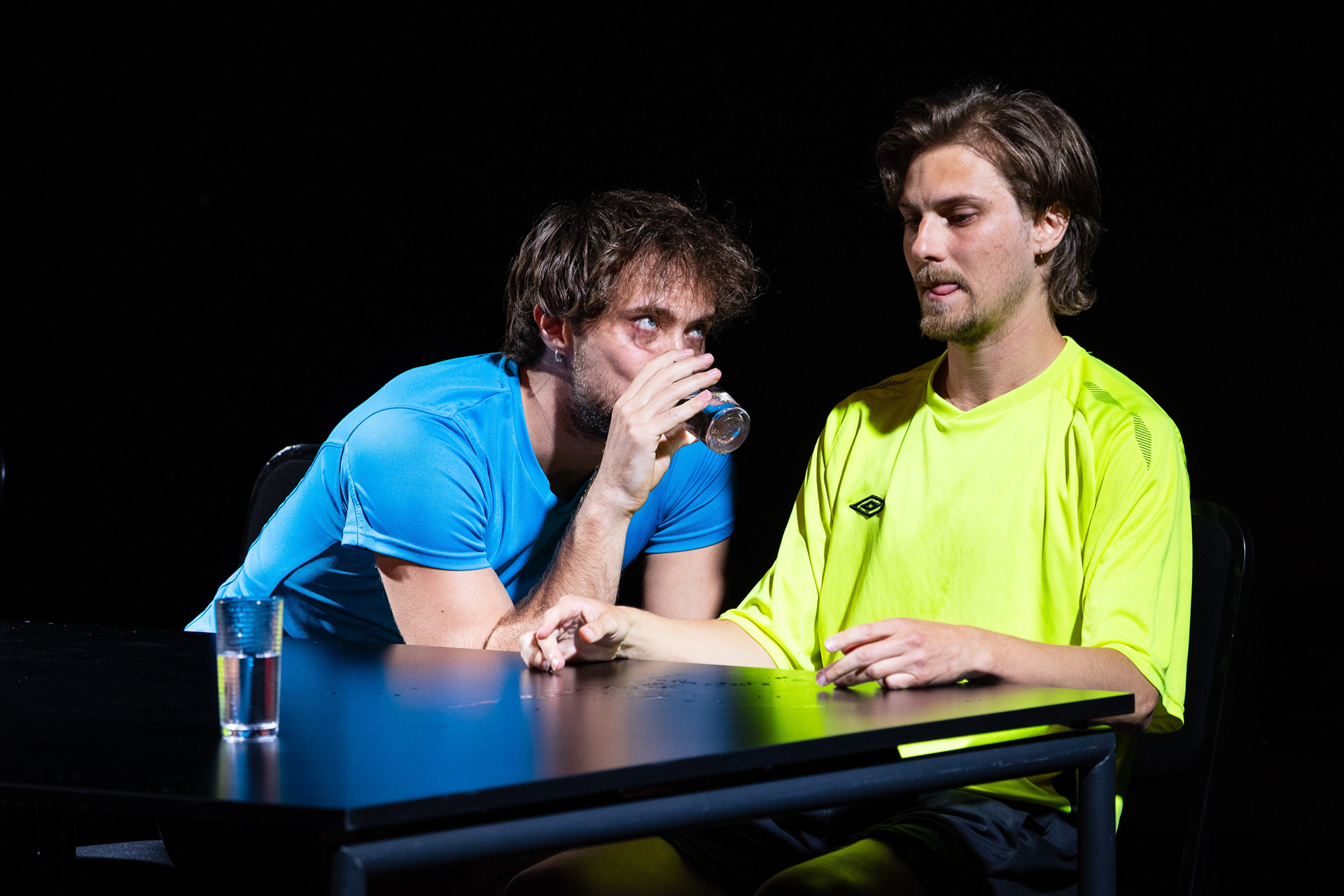
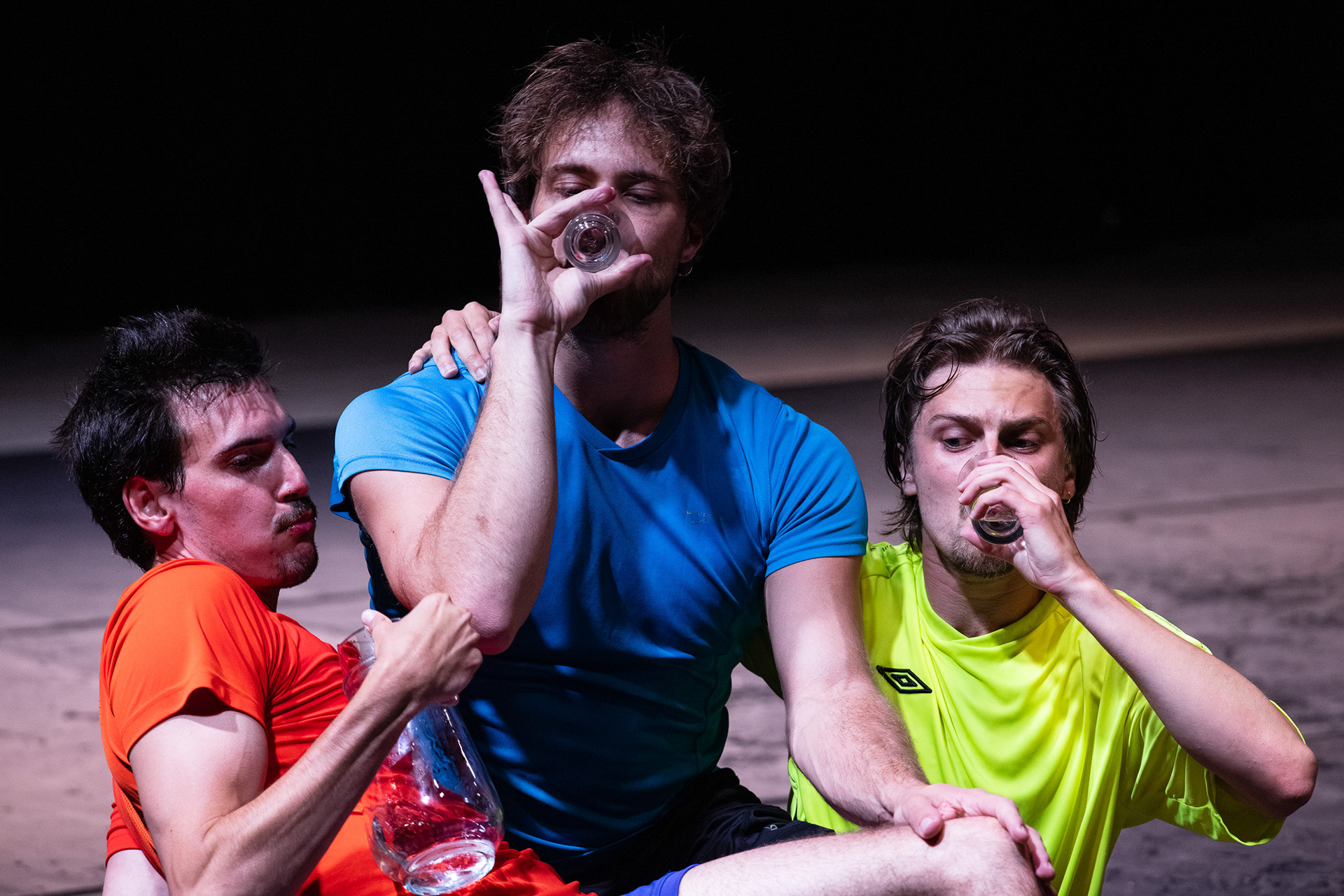
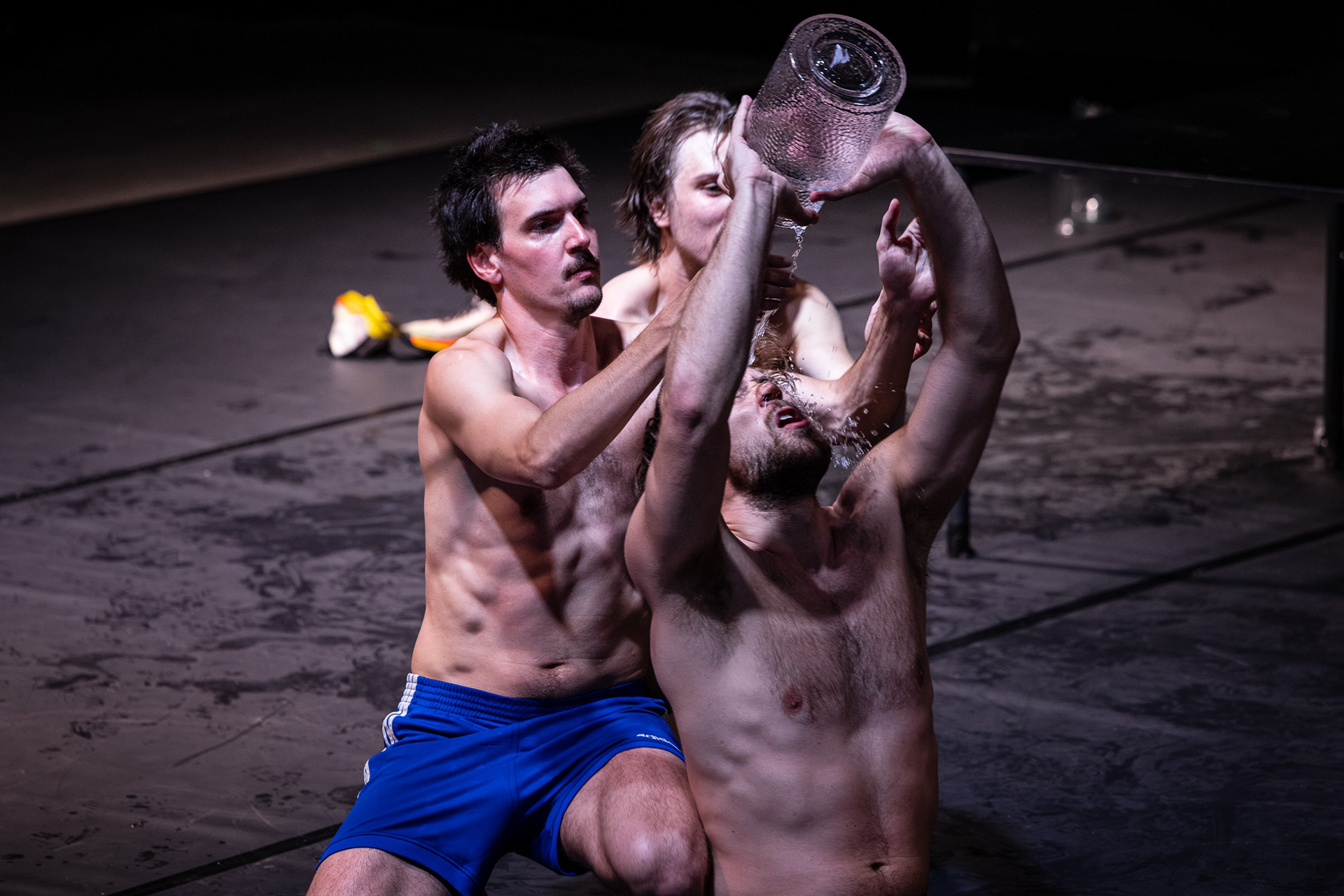
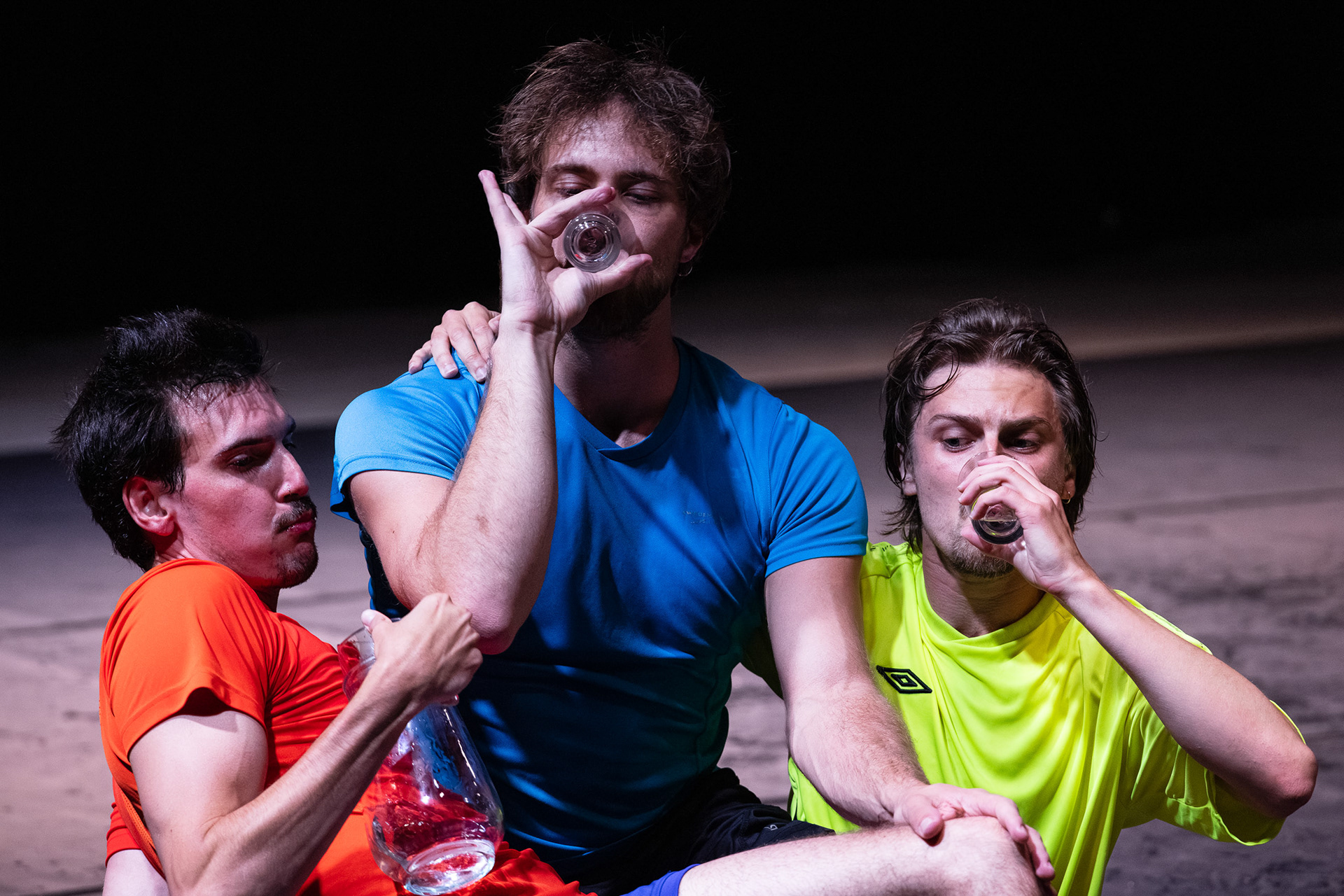
Imagine raising a glass to your lips and pausing at that moment. With your eyes closed, you feel the coolness, the wet touch, the anticipation. You slowly tilt the glass, allowing the water to enter – not too much, just enough to pause, breathe, feel. You allow it to mix with your tongue, bringing it to life, savouring it. As it flows down your throat, a wave of bliss overwhelms you, a moment of connection, pure ecstasy. What if every sip of water was the first in your life?
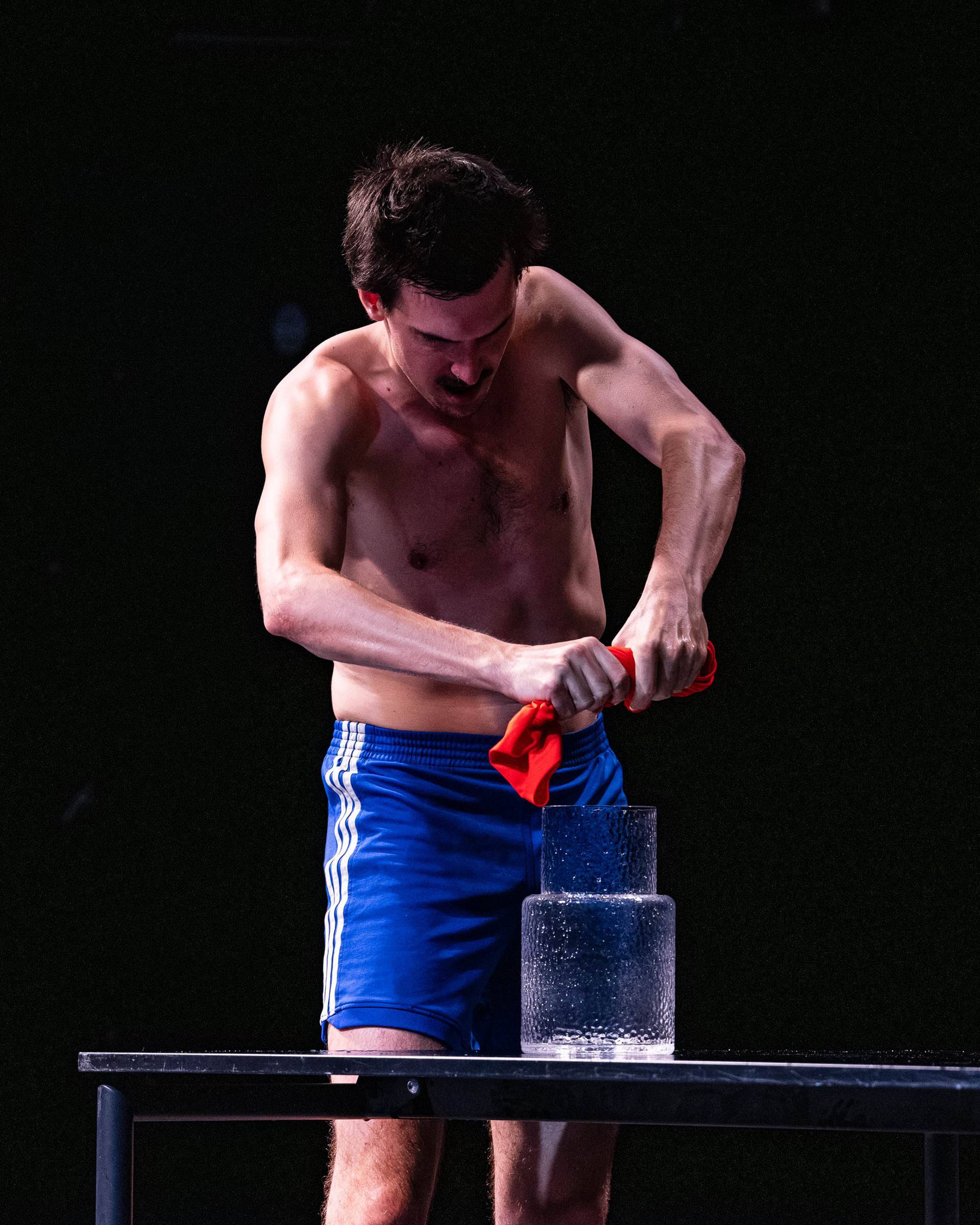
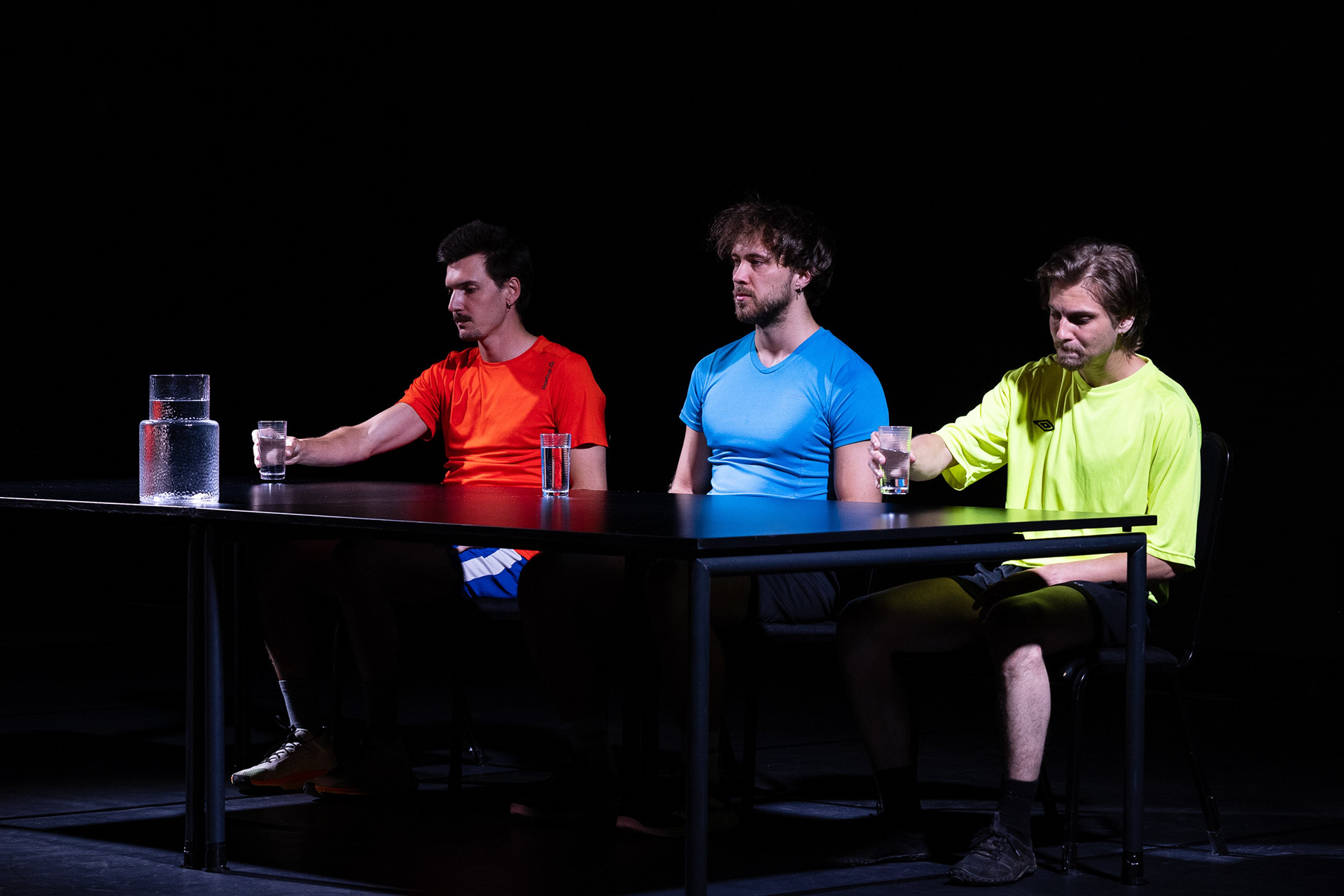
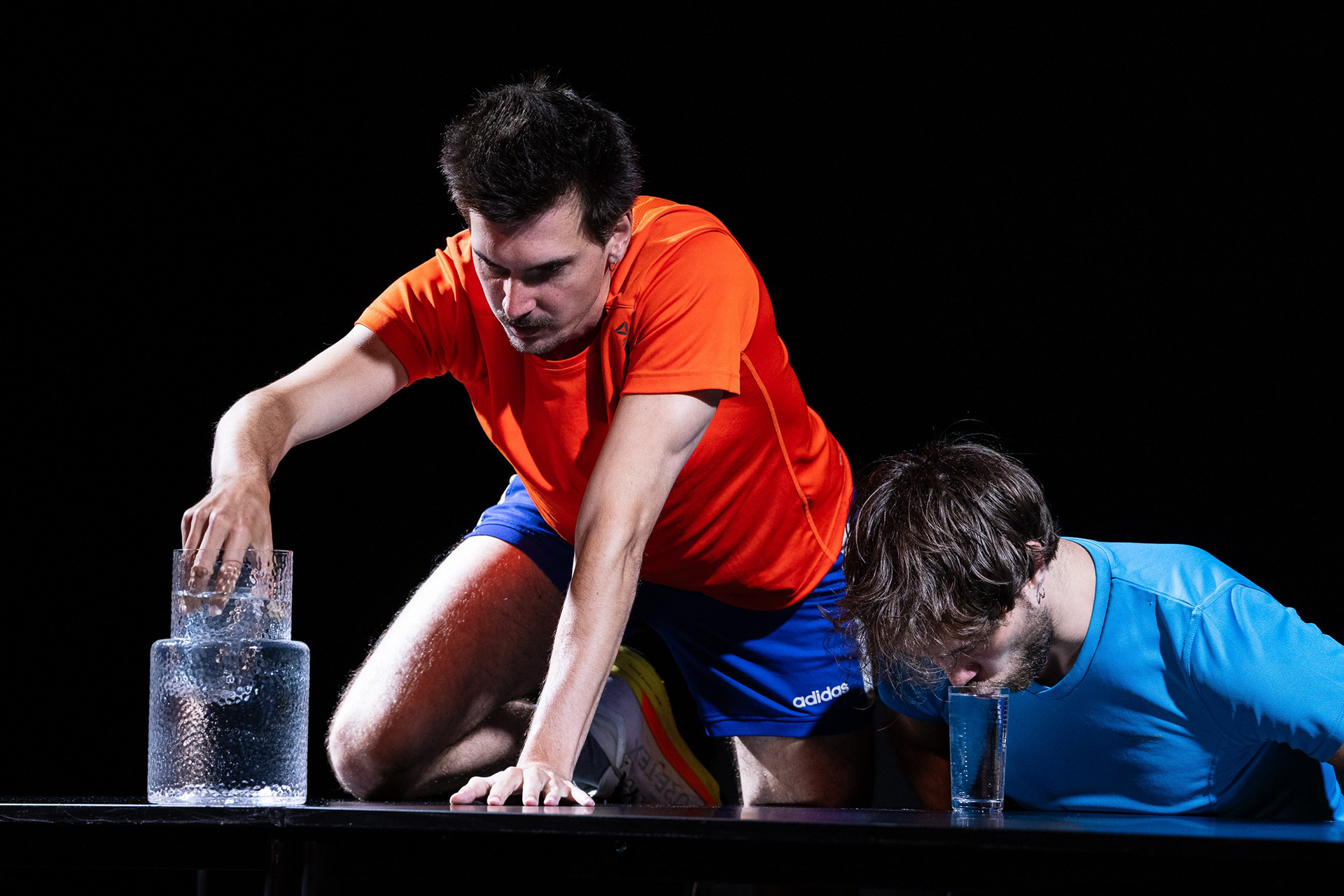
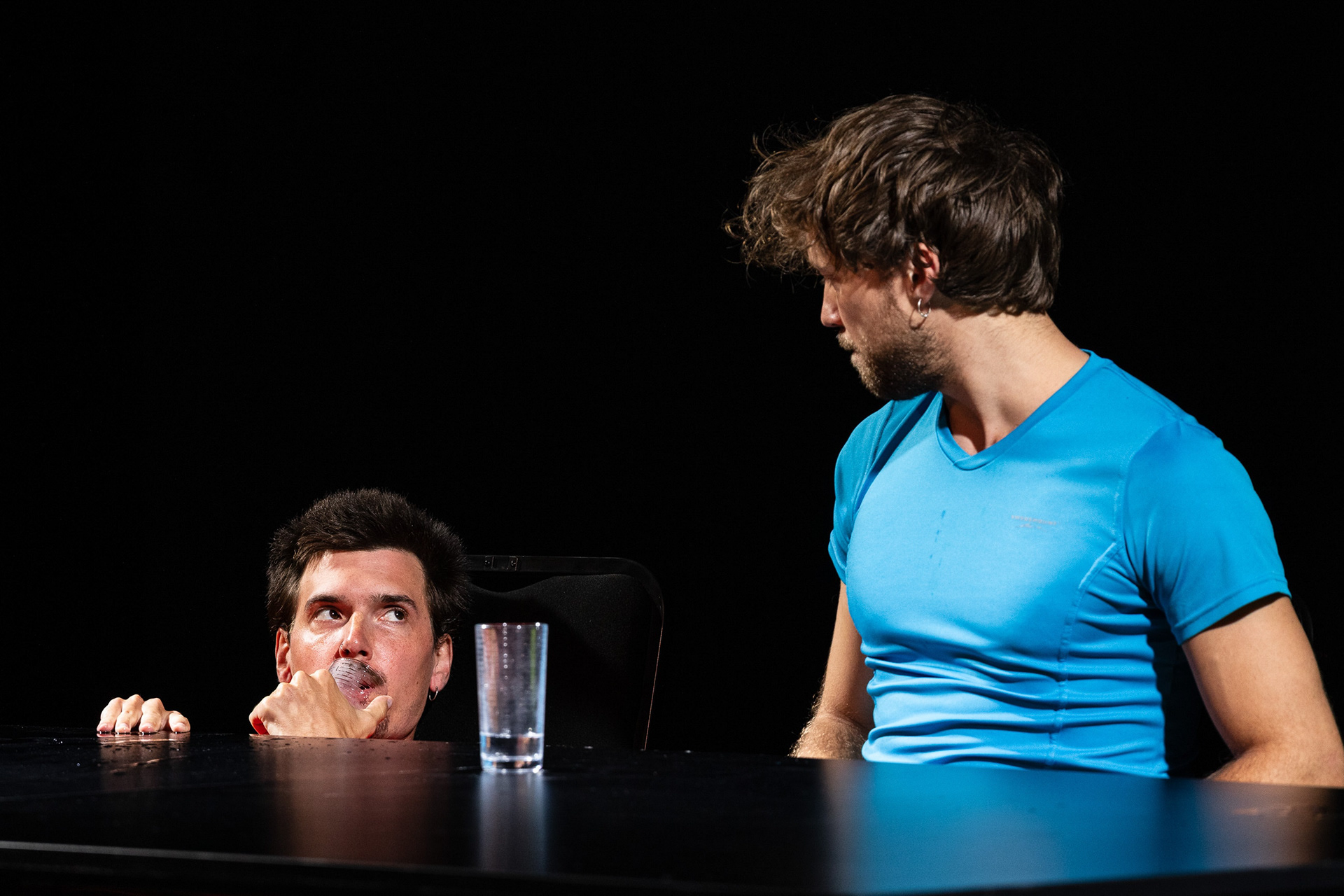
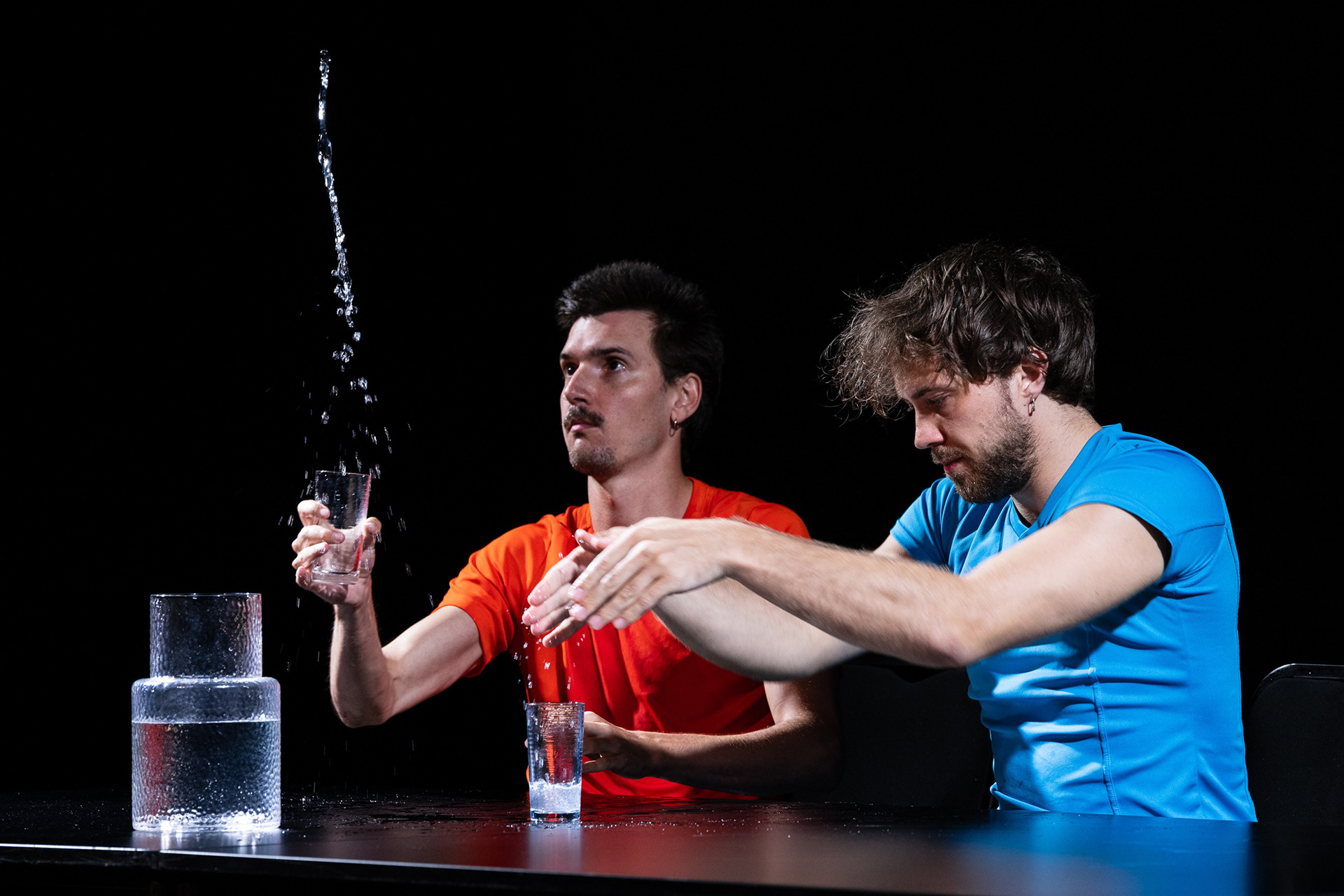
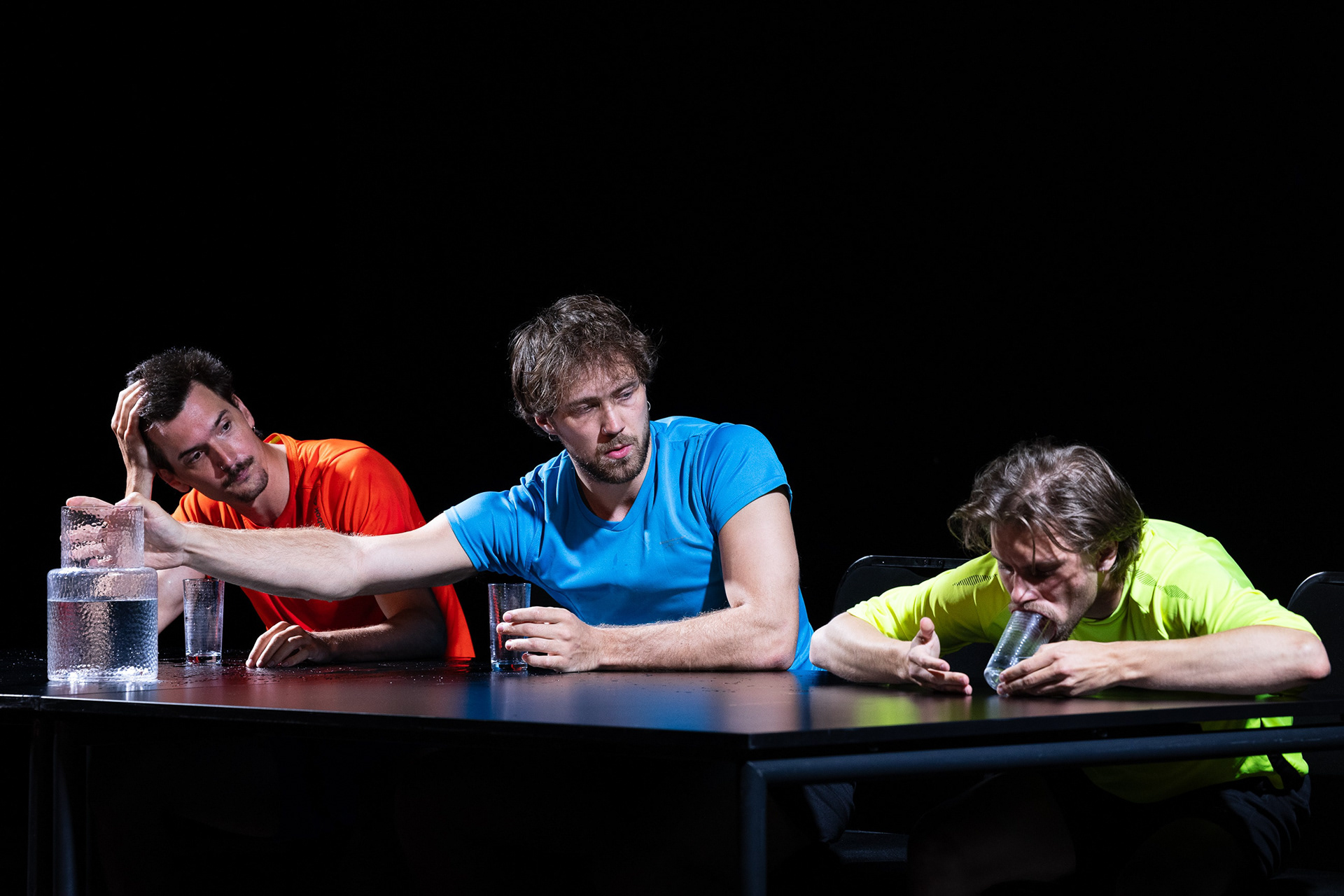
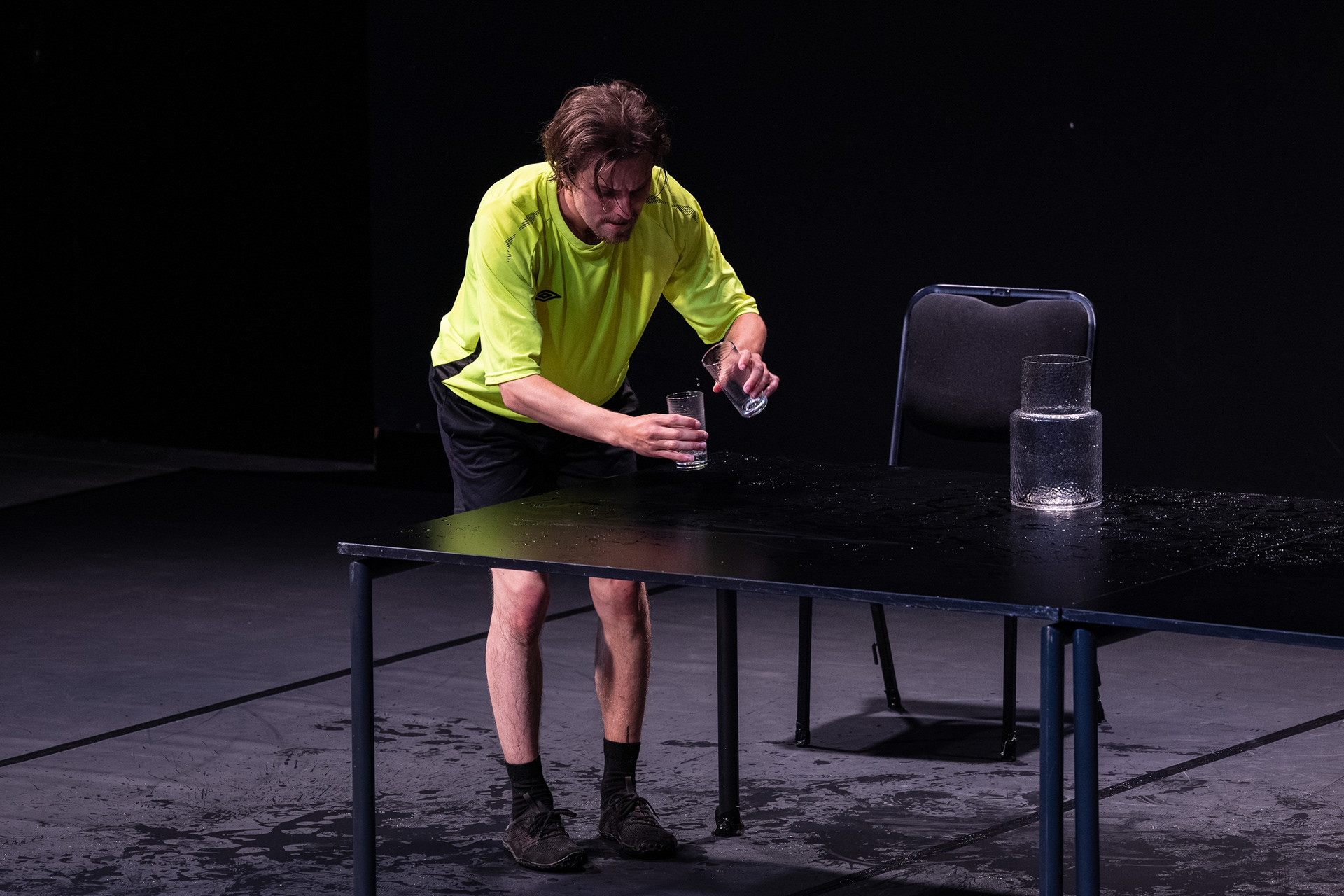
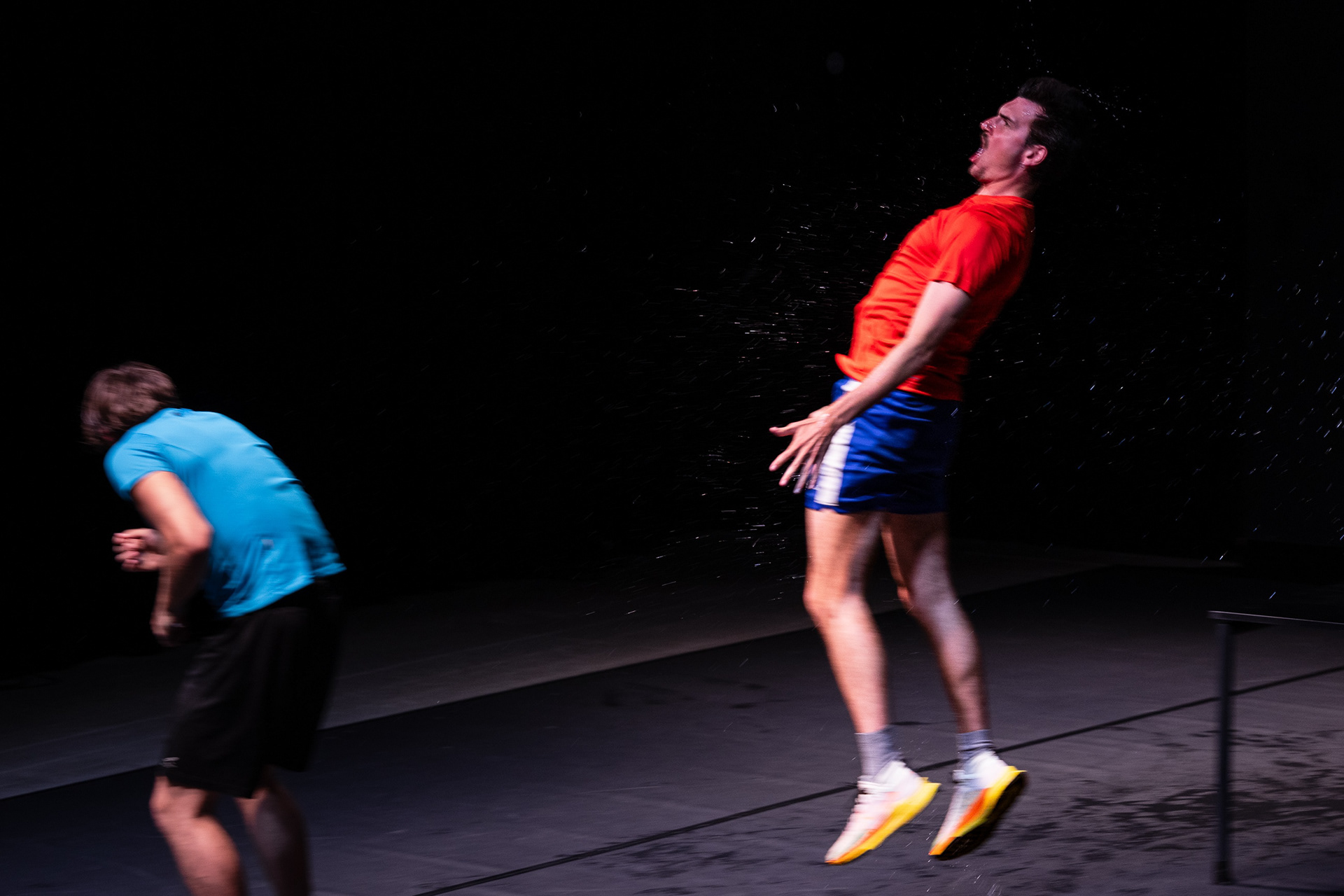
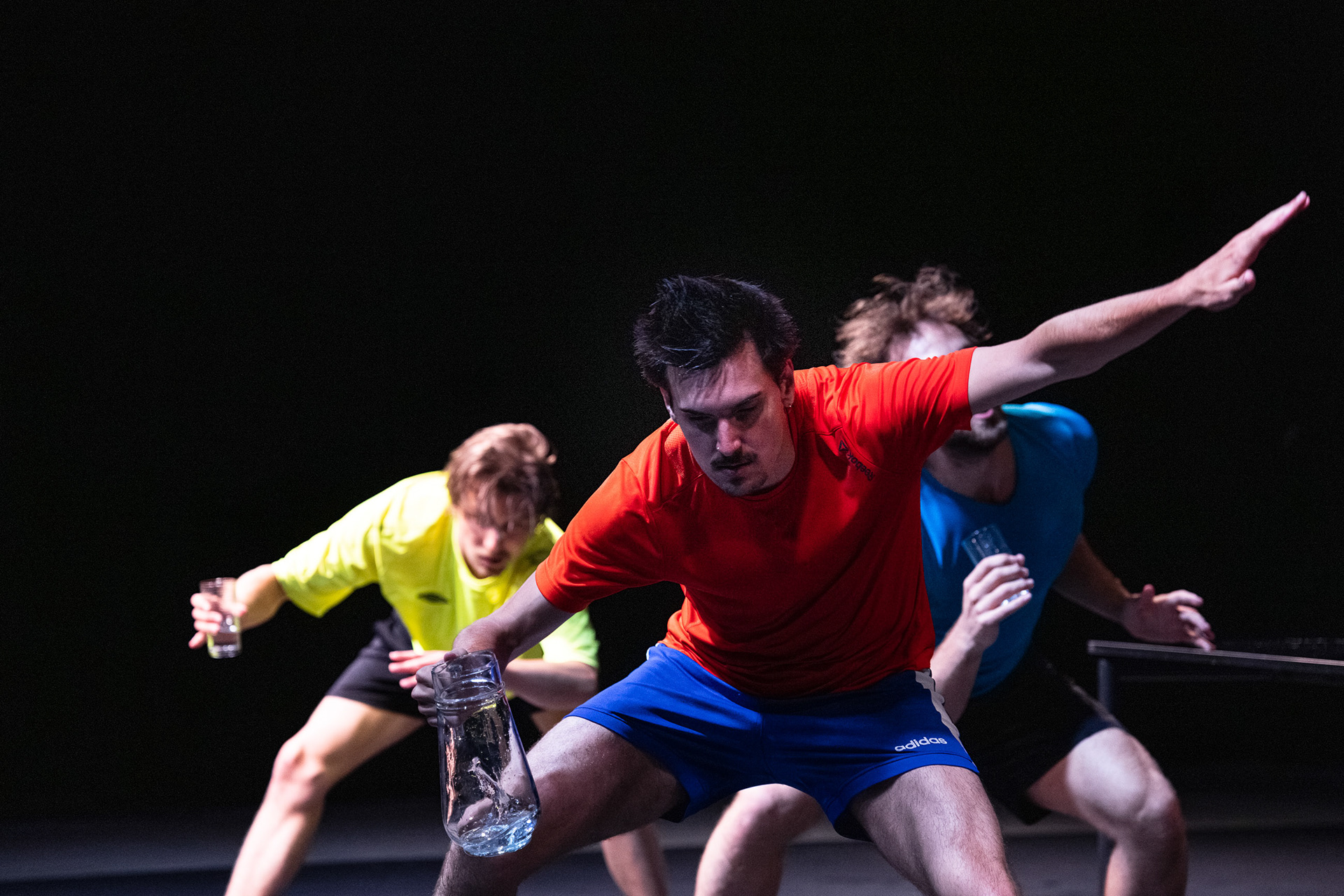
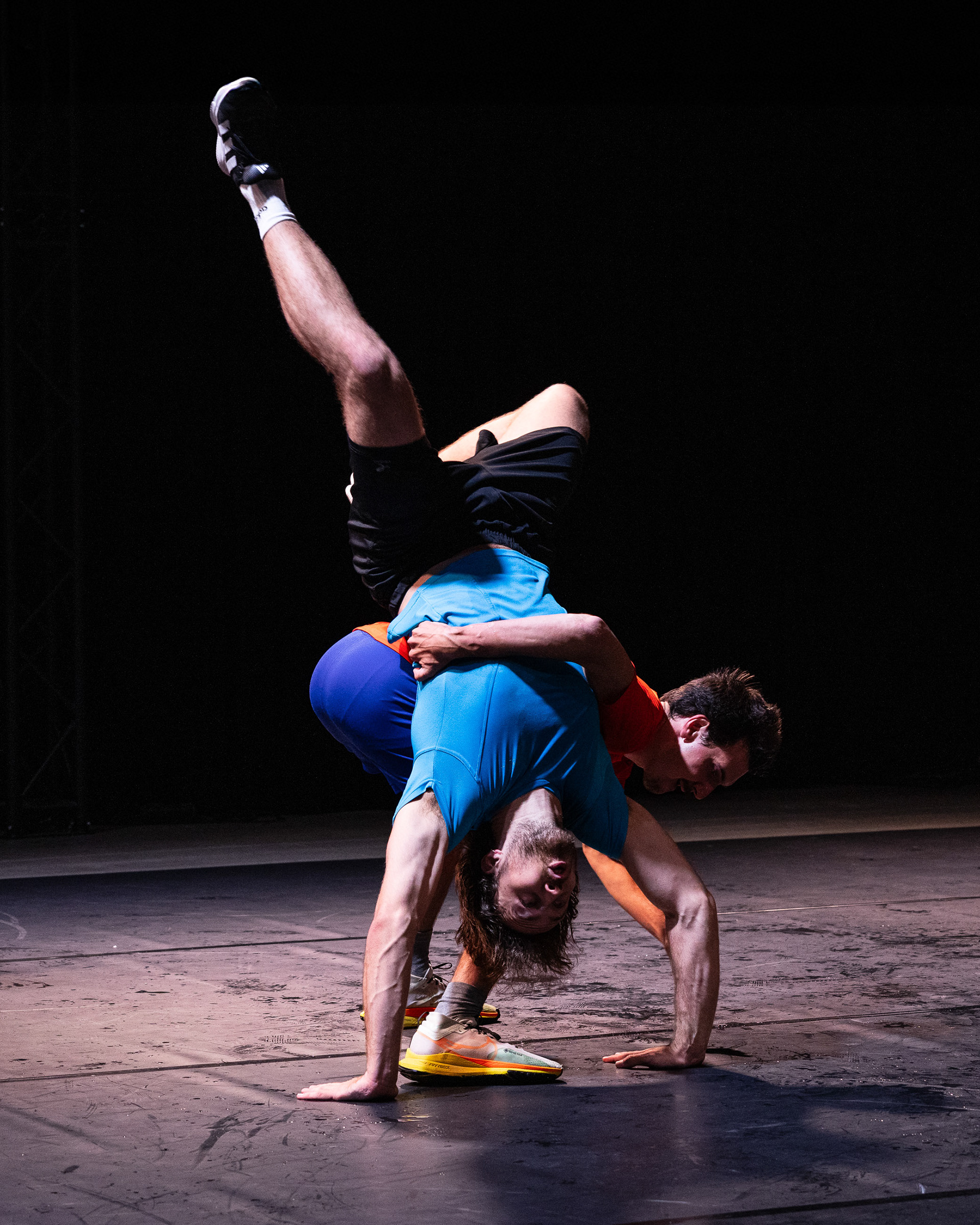
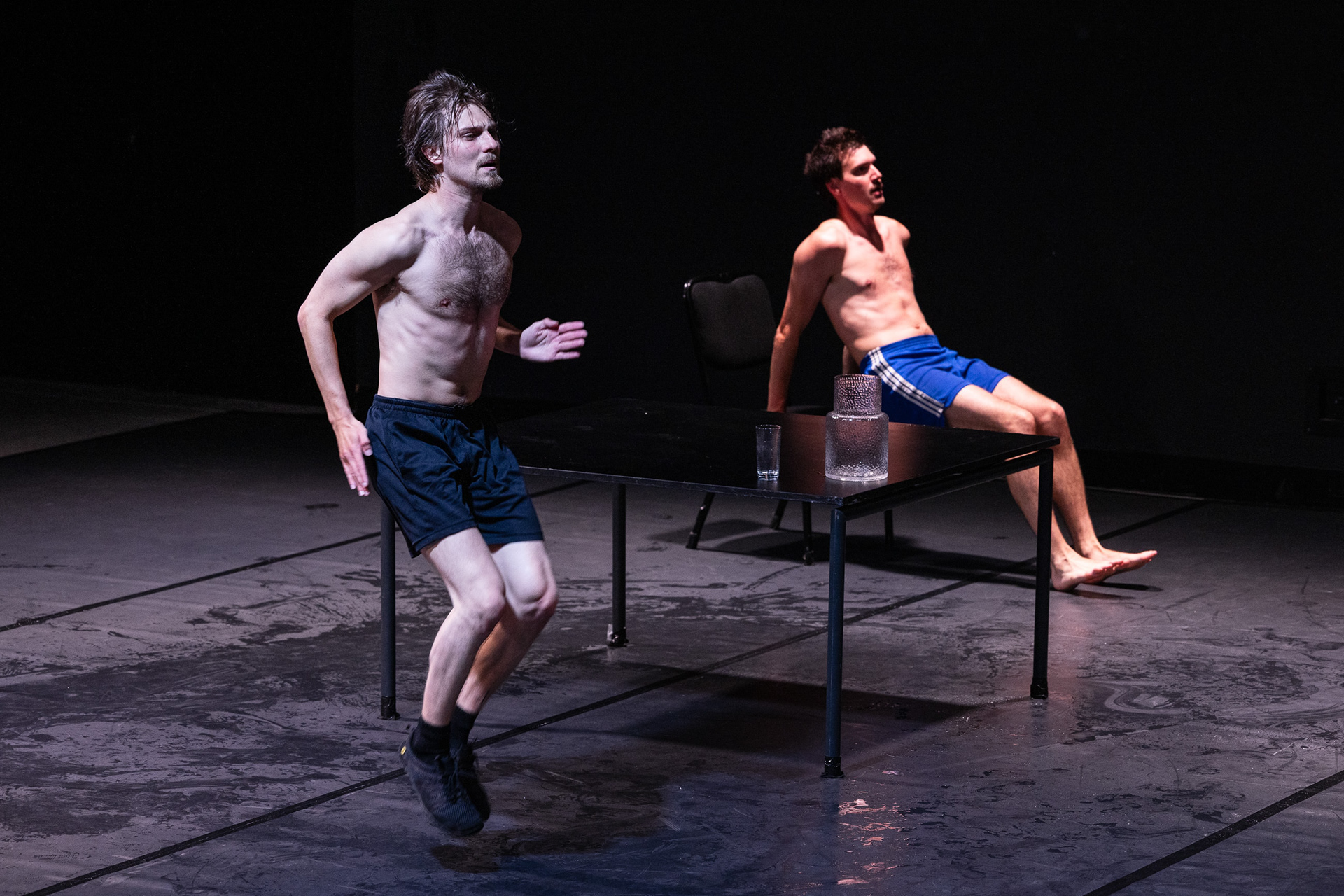
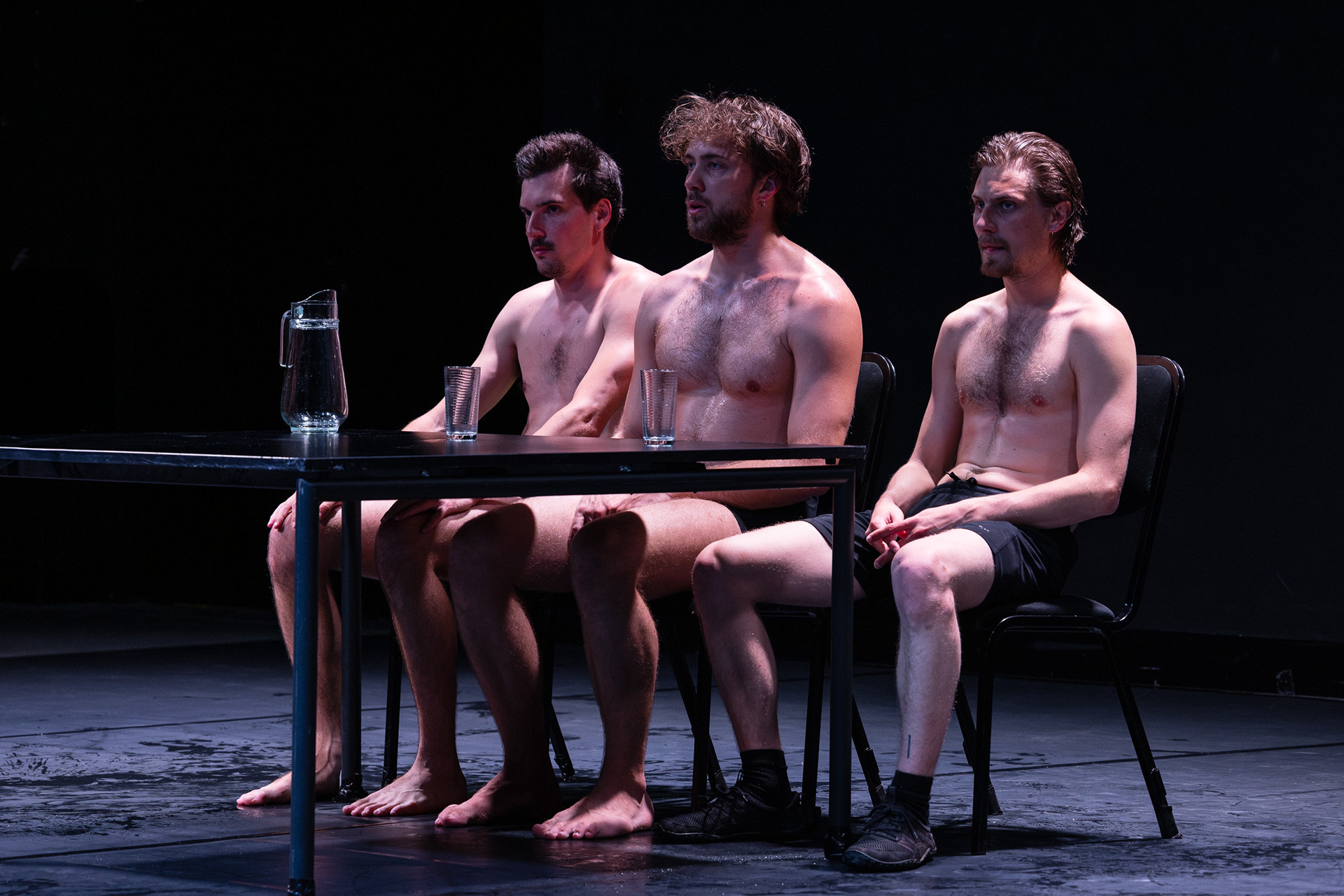
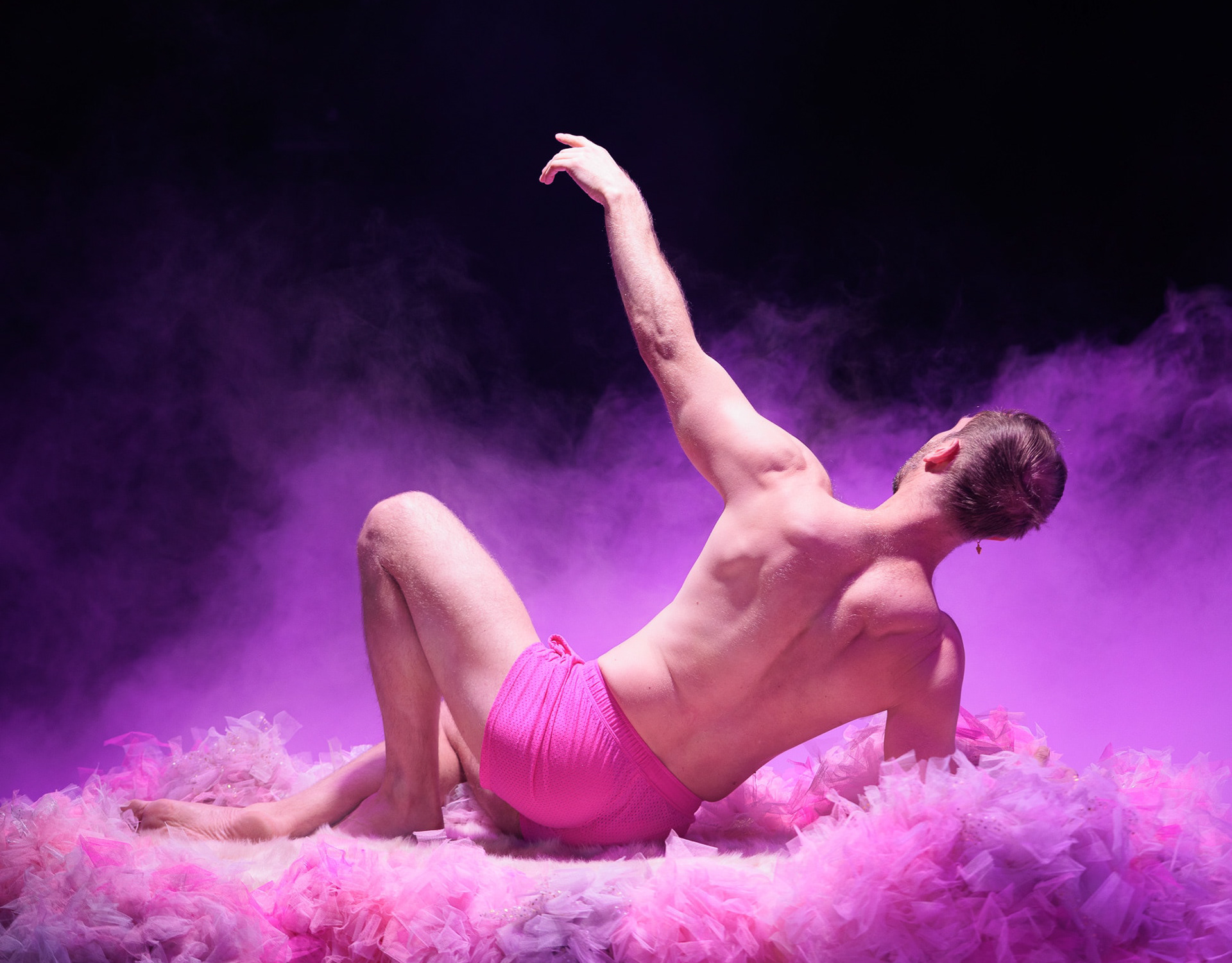
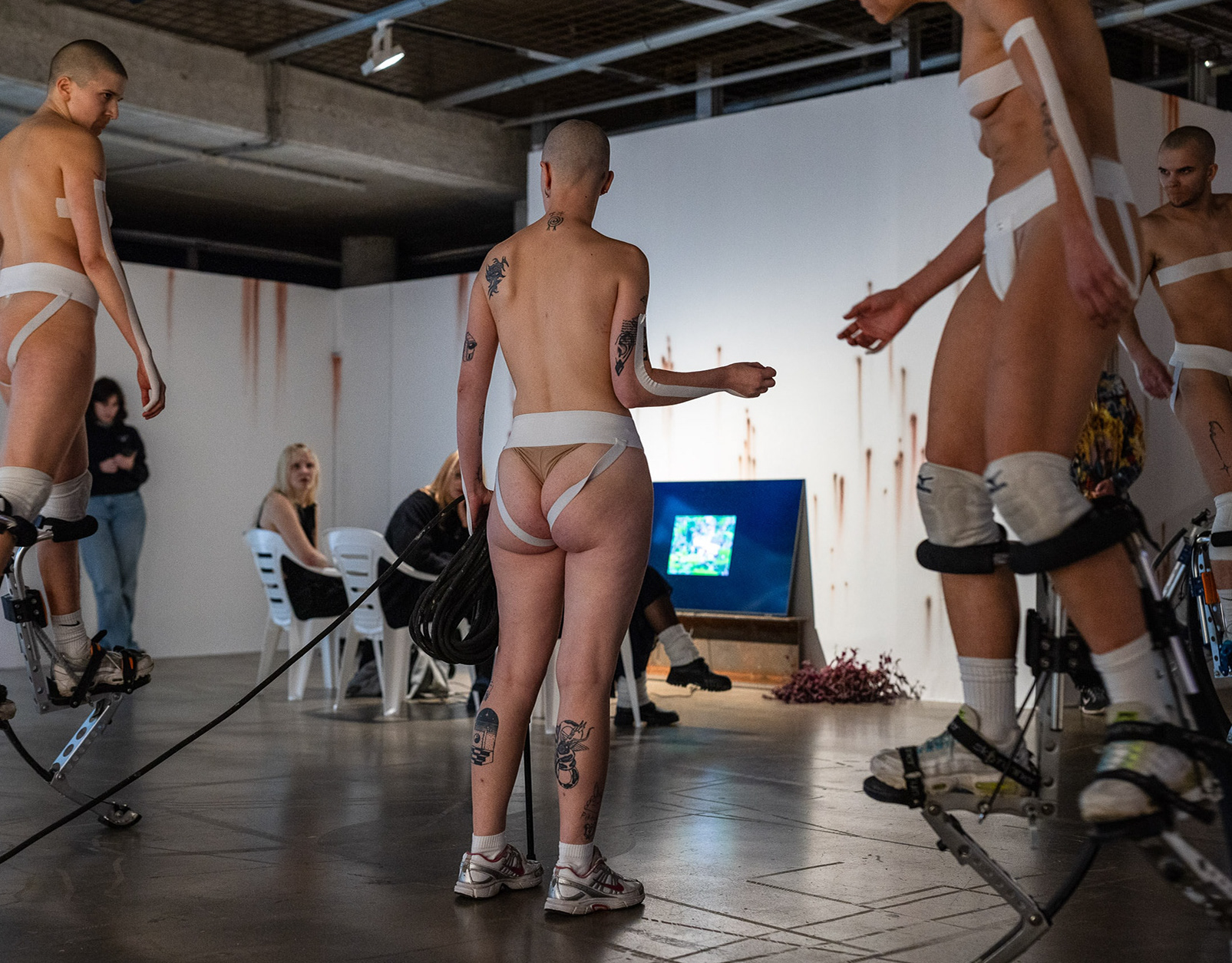
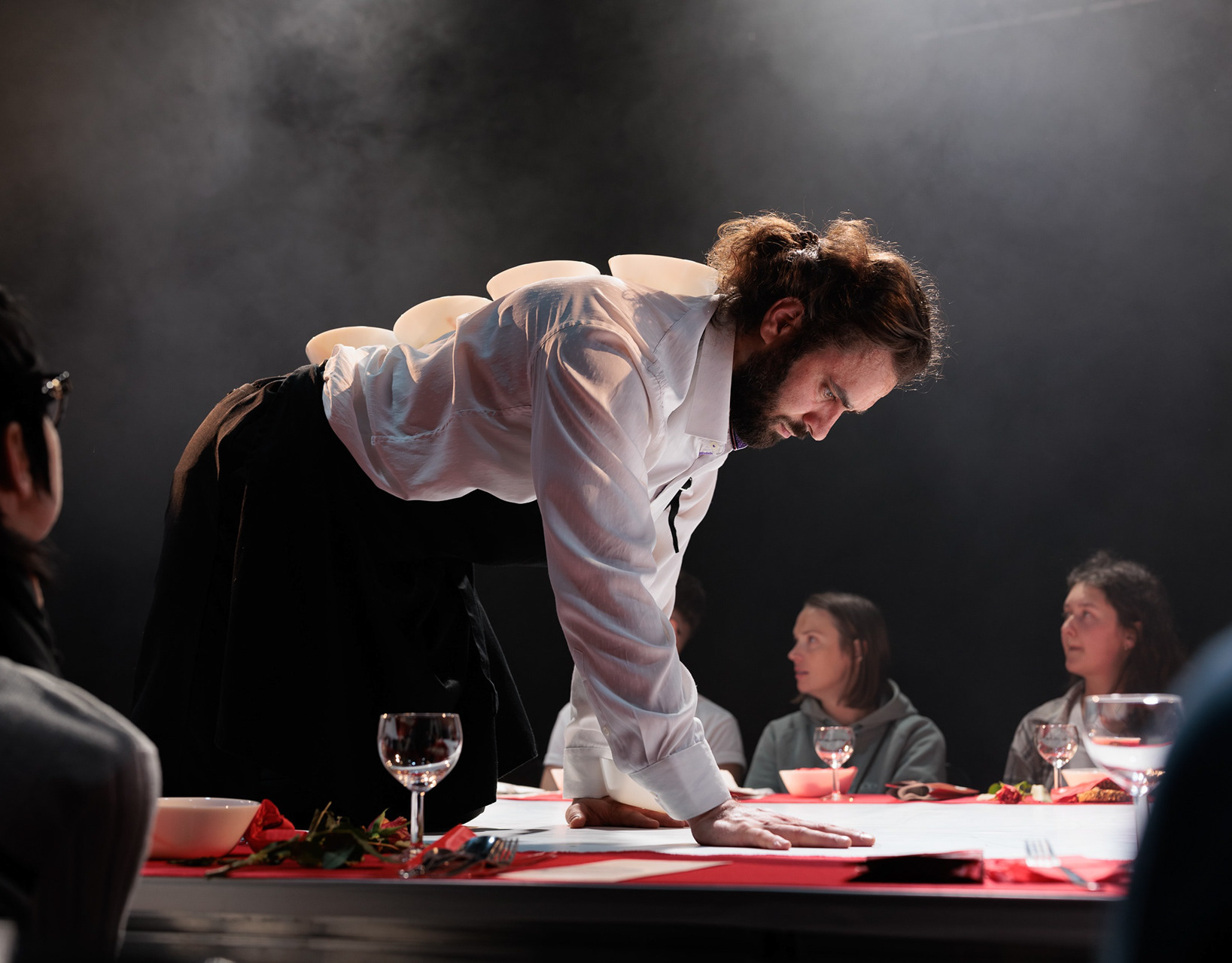
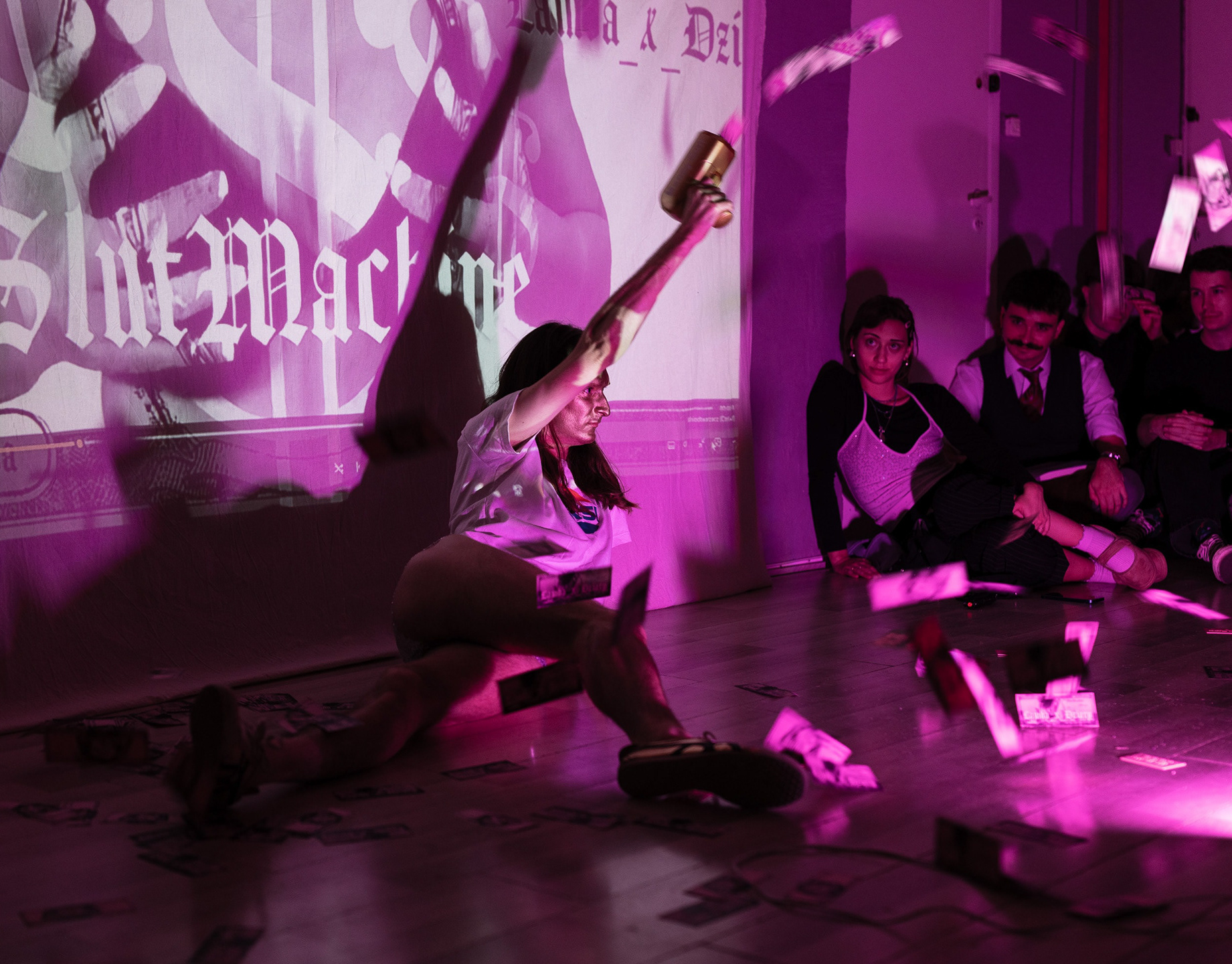
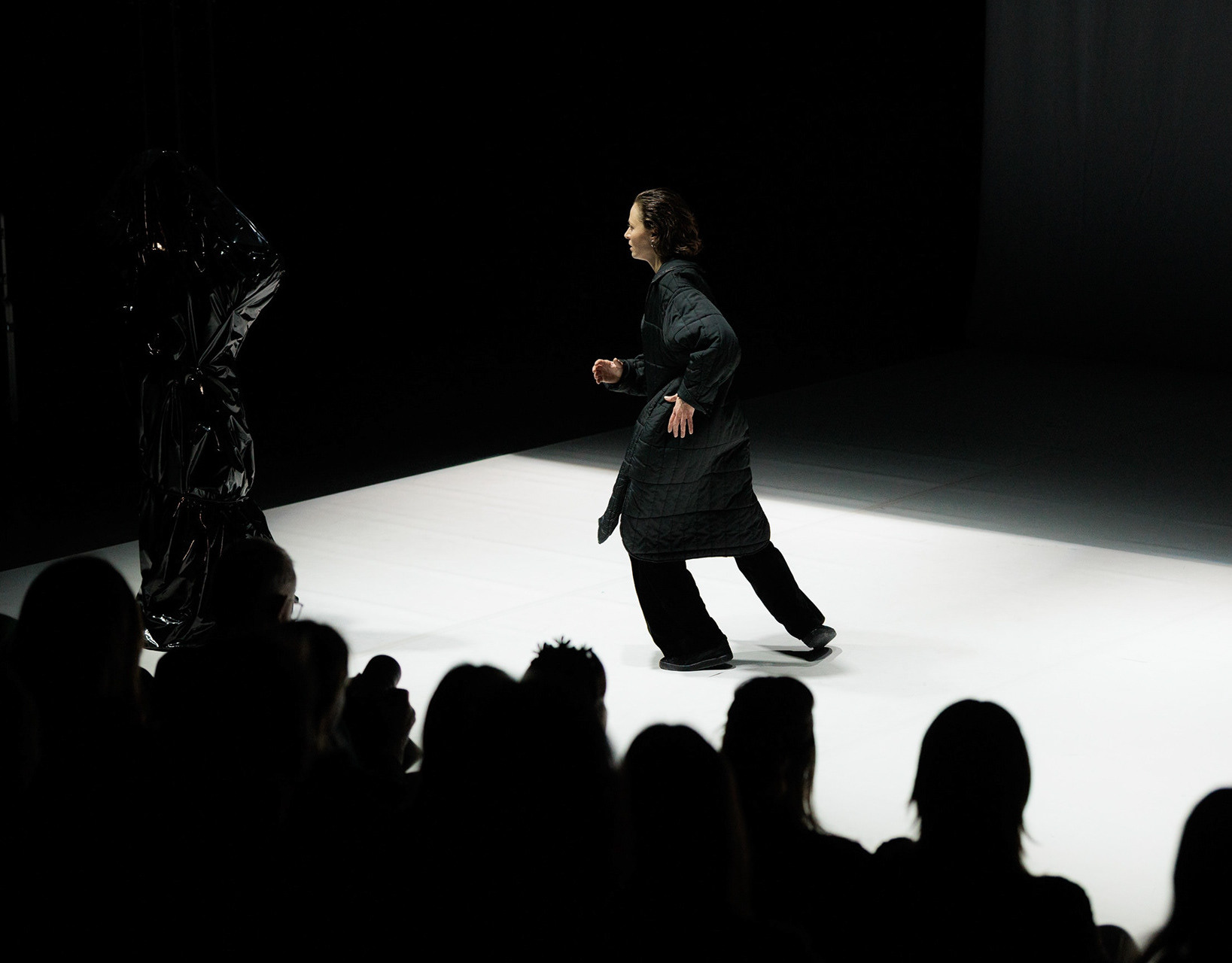
Stay Hydrated is a delightful trio that explores and expands the simple and common act of drinking to its limits.
The performance is entertaining and absolutely refreshing. Through intricate movement, it magnifies the sensory and emotional experience of hydration, transforming everyday activities into something deeper.
The performance is entertaining and absolutely refreshing. Through intricate movement, it magnifies the sensory and emotional experience of hydration, transforming everyday activities into something deeper.
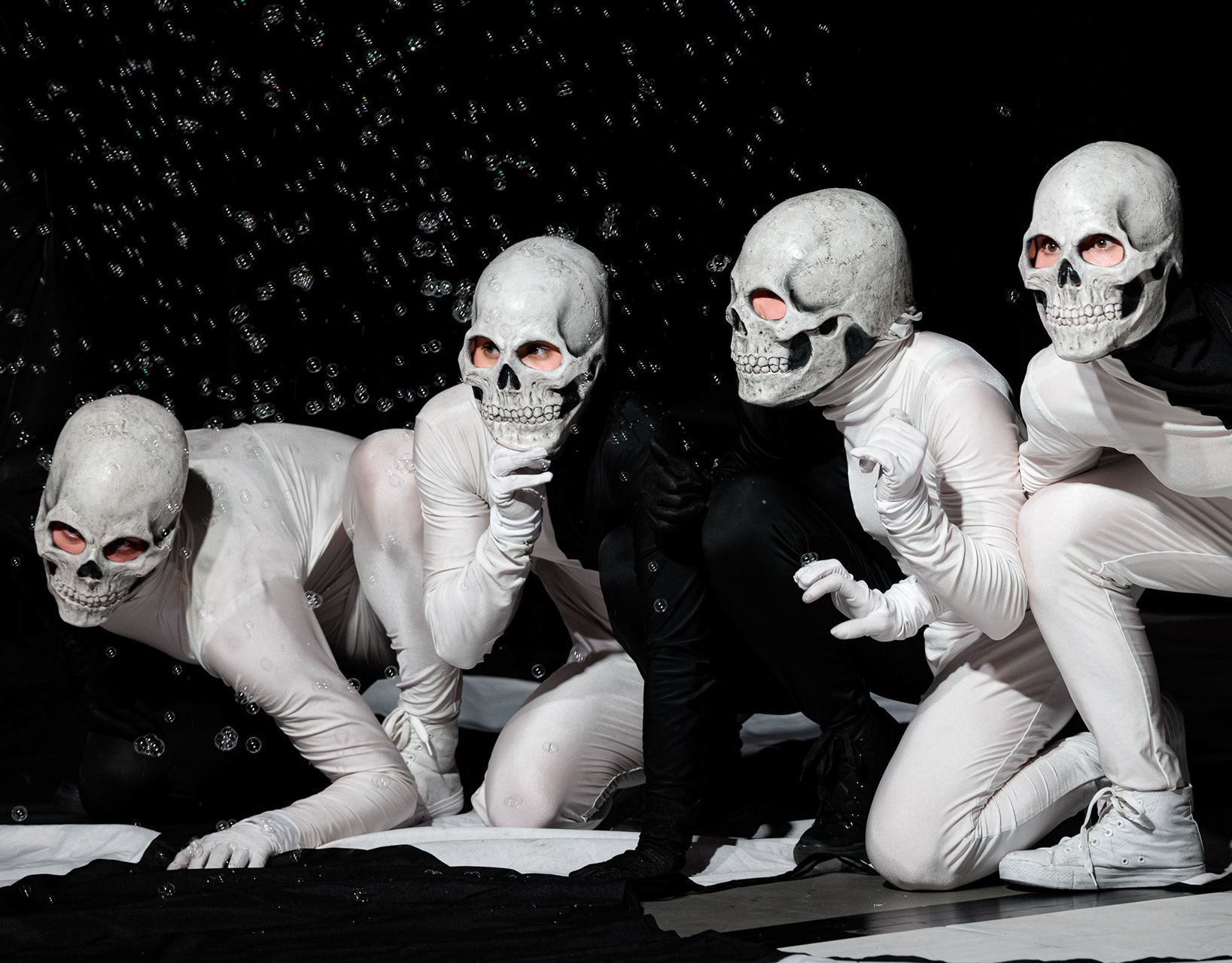
Useless Machines is an international physical theatre company. It consists of four performers from Sweden, France and Korea. The group is distinguished by its exploration of humour and nonsense through dance. They create witty performances that challenge dance conventions and push the boundaries of what can be put on stage. The artists are not afraid to joke around, incorporating elements of comedy and satire into their performances.
Programme curators: Paweł Łyskawa, Eryk Makohon
Organisers: Cricoteka, Krakow Dance Theatre
Project team: Mariusz Gąsior, Valentyna Khomenko, Małgorzata Kmita-Fugiel, Magdalena Link-Lenczowska, Zofia Mikołajska, Aldona Mikulska, Andrea Nikolov, Agnieszka Oprządek, Anna Rejowska, Aleksandra Treder, Michał Warmusz, Weronika Wawryk, Natalia Zarzecka, Izabela Zawadzka
Graphic design: Wojciech Kołek
Media patrons: Gazeta Wyborcza, Radio Kraków, Radio Kraków Kultura, TVP 3 Kraków
Media support: taniecPOLSKA.pl
Project co-financed by the City of Kraków.
Co-financed by the Minister of Culture and National Heritage as part of the ‘Dance’ programme.
Project implemented as part of the Beyond Fronta: Bridging Periphery programme, co-financed by Creative Europe (2023-2026).
Financed by the EU. The views and opinions expressed are those of the authors and do not necessarily reflect the position of the European Union or EACEA.